Evaluating Olives Watercolor as a Subject for Your Next Painting Project
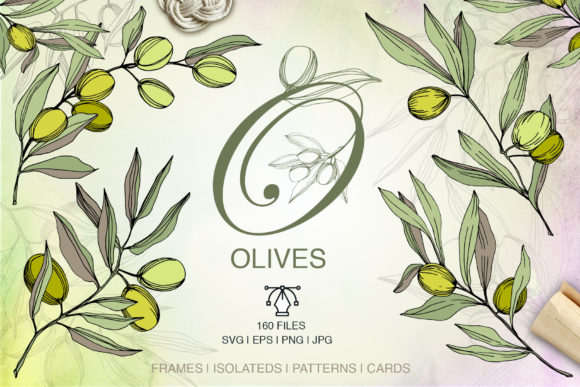
Olives watercolor refers to the artistic practice of rendering olive branches, fruits, and trees using watercolor paints. This subject has gained steady traction among botanical illustrators, still-life painters, and artists drawn to Mediterranean and rustic themes. The olive's distinctive silvery-green foliage, gnarled trunk textures, and plump, light-catching fruits present a unique combination of challenges and creative opportunities that make it worth evaluating carefully before committing brush to paper.
If you are researching whether an olives watercolor project aligns with your skill level, artistic goals, or decorative intentions, this balanced overview will help you weigh the practical realities against the aesthetic appeal. Rather than simply describing techniques, the following sections focus on what you can realistically expect—and when you might be better served by an alternative subject or medium.
Understanding the Appeal of Olives as a Watercolor Subject
At its core, olives watercolor appeals because the subject occupies a compelling middle ground between botanical precision and loose, atmospheric expression. The olive tree carries cultural weight—symbolizing peace, endurance, and abundance across Mediterranean cultures—which adds layers of meaning to finished works. Artists often gravitate toward subjects that tell a story or evoke a sense of place, and olives deliver on both fronts without requiring overly complex compositions.
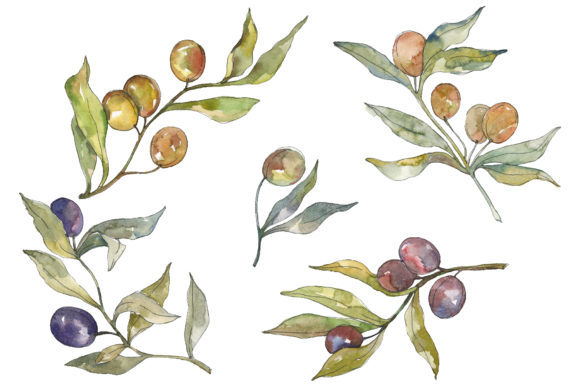
From a purely visual standpoint, the olive presents several attractive qualities for watercolor. The fruit has a subtle, waxy bloom that diffuses light softly, creating natural opportunities for granulating pigments and gentle wet-on-wet transitions. Leaves feature a cool, silvery underside that contrasts with a warmer olive-green top surface, giving artists a chance to explore colour temperature shifts within a limited palette. The bark of older trees introduces texture and organic line work that pairs well with watercolor's fluid, unpredictable nature.
However, the very qualities that attract artists also introduce specific technical demands. That waxy bloom on the fruit requires careful handling of highlights. Those two-toned leaves demand consistent brush control to capture the colour shift without becoming repetitive. The bark texture can easily become overworked if an artist attempts too much detail too quickly. Understanding these tradeoffs upfront helps set realistic expectations.
Key Benefits and Creative Payoffs
When executed thoughtfully, an olives watercolor painting can yield results that few other botanical subjects match. The restrained colour palette—predominantly olives, ochres, muted greens, cool greys, and soft violets for shadows—lends itself to harmonious, calming compositions. This makes olive-themed watercolors particularly suitable for interior spaces aiming for a natural, understated aesthetic, such as kitchens, dining areas, or sunlit hallways.
Another benefit lies in subject versatility. A single olive branch with a handful of fruits can function as a focused botanical study, while a broader landscape featuring olive groves with distant hills and soft skies can evolve into a fully realized scenic painting. This range allows artists to adapt the subject to their current skill level and gradually increase complexity without switching to an entirely new theme.
Watercolor as a medium also complements the inherent softness of olive foliage. The transparency of watercolour captures the way light filters through leaves and the subtle colour variations across a cluster of fruit. Acrylics or oils can certainly render olives beautifully, but they rarely replicate the luminous, airy quality that watercolor naturally provides. For artists specifically seeking that delicate translucency, watercolor remains a strong match.
Tradeoffs, Challenges, and Realistic Considerations
Despite its appeal, olives watercolor is not without frustrations. One of the most frequently underestimated challenges involves the fruit itself. Olives are relatively small, simple-looking objects, yet their spherical volume, subtle highlights, and the slight bruising or colour mottling on their surfaces demand careful observation. Artists accustomed to painting larger, more forgiving subjects may find themselves struggling to convey depth and weight without muddying the colours.
The leaves present another common hurdle. Olive leaves are narrow, lance-shaped, and arranged in opposite pairs along the stem. Painting them convincingly requires a balance between uniformity and organic variation. Too much repetition looks stiff and artificial; too much variation can break the visual rhythm and make the composition feel chaotic. Achieving this balance takes practice and a willingness to work through multiple studies before committing to a final piece.
Additionally, the olive's understated colour scheme—while elegant—can feel limiting for artists who thrive on vibrant, high-contrast palettes. If your creative satisfaction comes from bold, saturated colours and dramatic tonal shifts, an olives watercolor project may feel somewhat restrained. This is not a shortcoming of the subject, but it is an important personal compatibility factor worth acknowledging before investing hours of work.
Situations Where Olives Watercolor Is a Strong Fit
Certain contexts make olives watercolor an especially logical choice. Botanical illustrators building a portfolio of Mediterranean flora will find olives almost essential. The subject demonstrates an ability to handle subtle colour mixing, controlled edges, and accurate botanical structure—all markers of solid technical skill. For students or emerging artists looking to showcase range, a well-executed olive study can make a strong impression in a portfolio or exhibition submission.
Artists creating work for hospitality spaces—restaurants, wine bars, boutique hotels, or tasting rooms—often discover that olive-themed watercolors resonate with clients and patrons. The imagery complements culinary and vinicultural themes naturally, and the gentle, organic quality of watercolor aligns with current design trends favouring authenticity over slickness. Commission opportunities in this niche are more common than many artists initially assume.
Watercolor instructors and workshop leaders may also find olives valuable as a teaching subject. The limited palette simplifies material requirements, while the range of techniques—graded washes for the fruit, dry brush for bark, lifting for highlights—provides ample instructional content. Students leave with a tangible, frameable piece that reinforces their learning, which contributes to positive workshop evaluations and word-of-mouth referrals.
When Alternatives May Be Worth Considering
Not every artist or situation calls for olives watercolor, and recognizing when to pivot is a practical skill in itself. If your primary goal involves rapid, loose, expressive painting with minimal preliminary drawing, you might find olives somewhat constraining. The subject rewards patience and observational accuracy, which can feel at odds with a gestural, intuitive approach. In such cases, broader landscape scenes, abstract botanical interpretations, or subjects with larger, simpler shapes—such as figs or pomegranates—may offer more creative freedom.
Artists working under tight deadlines should also weigh the time investment olives require. The layered glazing needed to build the fruit's subtle dimensionality and the careful negative painting around leaf clusters are not processes that reward rushing. If you need to produce completed pieces quickly for a market, event, or client, a subject with bolder contrasts and fewer delicate transitions might be more practical.
For those specifically interested in Mediterranean subjects but open to alternatives, consider lemons, figs, or grapevines as neighbouring options. Each offers distinct visual qualities while sharing some of the cultural resonance that makes olive imagery compelling. Lemons provide brighter colour impact, figs offer interesting interior textures when cut, and grapevines introduce flowing, organic line work. Exploring these alternatives before committing to olives can clarify what truly excites you as an artist.
Materials and Preparation: What to Expect
Making an informed decision about olives watercolor also involves understanding the materials that support successful results. The subject does not demand exotic supplies, but certain choices make a noticeable difference. Artists report that cotton paper with at least a cold-press surface helps capture the soft, granular texture of olive foliage without the paper buckling under repeated washes. A hot-press surface can work for highly detailed botanical studies, though it requires more confident brush handling to avoid harsh edges.
Pigment selection leans heavily on earthy, muted tones. A reliable olive green can be mixed from combinations such as yellow ochre and ultramarine blue, or sap green tempered with a touch of burnt sienna. The silvery underside of leaves benefits from a cool grey mixed with a hint of cerulean or cobalt blue. Artists who prefer convenience may opt for pre-mixed olive green tones, though mixing your own generally yields more natural, varied results across a painting.
Brushes should include a medium round with a fine point for leaf details and fruit contours, plus a larger flat or mop brush for soft background washes. A rigger or liner brush proves useful for the delicate stems connecting olives to the branch. Overall, the material investment remains modest compared to subjects requiring a broad chromatic range, which is another practical advantage worth factoring into your decision.
Making Your Decision: Does Olives Watercolor Align with Your Goals?
Ultimately, the question is not whether olives watercolor is inherently good or bad as a subject, but whether it serves your specific artistic and practical objectives. If you are drawn to subtlety, enjoy building colour through patient layering, and appreciate subjects grounded in cultural and natural history, olives watercolor deserves serious consideration. The challenges it presents are real but surmountable, and the results can carry a quiet sophistication that louder subjects sometimes lack.
If, on the other hand, you thrive on immediacy, bold contrast, or large-scale abstract work, you may find greater satisfaction elsewhere. There is no single right path—only the path that keeps you engaged and growing as an artist. The value of evaluating subjects like olives thoughtfully is that it sharpens your understanding of your own preferences, helping you make more confident creative choices across all your future projects.