Mandala Pattern Star Ornament: Discovering the Intersection of Sacred Geometry, Art, and Everyday Beauty
Few decorative objects manage to bridge the gap between ancient spiritual symbolism and contemporary design as gracefully as the mandala pattern star ornament. At first glance, it might look like a charming hanging decoration or an intricate paper cutout. But look closer, and you will find layers of geometric precision, cultural resonance, and meditative intention folded into every line. Whether you have seen one dangling from a holiday tree, etched onto a window pane, or used as a focal point in a mindfulness exercise, there is more to this ornament than simple ornamentation. Understanding the mandala pattern star ornament means stepping into a world where art, psychology, and tradition intersect in surprisingly practical ways.
What Exactly Is a Mandala Pattern Star Ornament?
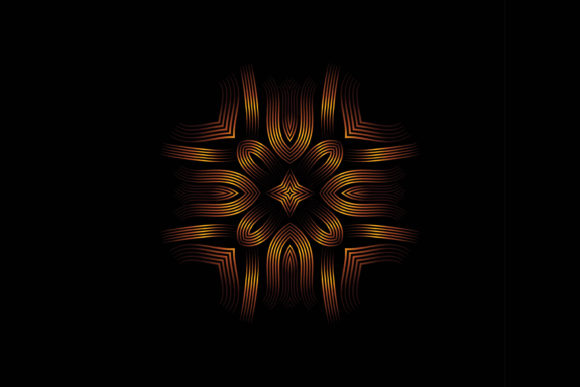
A mandala pattern star ornament is a decorative object that combines two powerful visual motifs: the mandala—a circular, symmetrical design often radiating from a central point—and the star—a geometric shape with points extending outward. The result is an ornament, typically flat or slightly dimensional, that features concentric patterns, repeating shapes, and a starburst silhouette. These ornaments can be crafted from paper, wood, metal, acrylic, or even laser-cut felt. They frequently appear as holiday decorations, window hangings, wall art pieces, or elements in craft projects.
The defining characteristic is the seamless integration of the star's outward-pointing energy with the mandala's inward-focused harmony. Imagine a five-pointed or eight-pointed star filled with intricate petals, dots, teardrops, and repeating lines that guide your eye from the outer edges toward the quiet center—or vice versa. That push and pull between expansion and stillness is precisely what makes the mandala pattern star ornament so visually captivating and symbolically rich.
The Deeper Meaning Behind the Patterns
To appreciate these ornaments fully, it helps to understand the two foundational elements that give them life.
The Mandala: A Map of Wholeness
The word mandala comes from the ancient Sanskrit language and roughly translates to "circle" or "center." In Hindu, Buddhist, and other spiritual traditions, mandalas serve as spiritual guidance tools and symbols of the universe. Their circular, balanced structures represent unity, harmony, and the cyclical nature of existence. Psychologist Carl Jung famously introduced mandalas into Western therapeutic practice, using them as a method for exploring the unconscious mind. He observed that drawing or coloring mandalas helped his patients achieve a sense of inner order and calm—an insight that underpins much of today's adult coloring movement.
When a mandala pattern appears on a star ornament, it carries that same sense of centeredness and completeness. The symmetrical repetition invites the viewer into a state of relaxed focus, which is why you might find yourself staring at one of these ornaments for longer than you initially intended.
The Star: Guidance, Aspiration, and Celestial Wonder
Stars have held symbolic weight across nearly every culture in human history. They represent guidance, hope, aspiration, and the divine. A star's points seem to reach outward, piercing darkness with light. When placed in the context of an ornament, the star shape evokes festive warmth, seasonal traditions, and the universal human impulse to look upward with wonder.
Combining the mandala with the star shape marries inner stillness with outward expression. You get an ornament that feels simultaneously grounding and aspirational—a small but potent reminder of balance in a chaotic world.
Historical Roots and Cultural Significance
While the specific phrase "mandala pattern star ornament" is a modern descriptive term, the fusion of mandala and star imagery has deep historical roots. Islamic geometric art, for instance, has long featured intricate star patterns interlaced with radiating floral and geometric designs—effectively mandala-star hybrids. In medieval and Renaissance Europe, rose windows in cathedrals combined radial symmetry with star-like petal arrangements, creating meditative focal points for worshippers. Tibetan sand mandalas, though not star-shaped, share the same principles of meticulous symmetry and impermanent beauty that inform many handmade star ornaments today.
In Scandinavian folk art, star-shaped ornaments with pierced patterns and symmetrical cutouts became popular winter decorations, often made from folded paper or thin wood. These traditions blended practicality—using readily available materials—with a deep appreciation for light and pattern during long, dark winters. The mandala pattern star ornament is, in many ways, a contemporary continuation of these cross-cultural artistic impulses.
Modern Applications: Where You Encounter These Ornaments Today
The mandala pattern star ornament has found a comfortable home in modern craft culture, interior design, and wellness practices. Its versatility is one of the reasons it has gained such traction among hobbyists, educators, and even business owners.
Home Décor and Seasonal Displays
Walk through a contemporary home goods store, especially around the winter holidays, and you will likely see laser-cut wooden star ornaments adorned with mandala-like perforations. They catch the light beautifully when hung in windows. Outside of festive seasons, these ornaments appear as year-round wall hangings, nursery mobiles, or bohemian-style room accents. Their neutral materials—unfinished wood, white paper, or muted metal—blend easily with minimalist, Scandinavian, and eclectic interior styles. A single mandala pattern star ornament placed thoughtfully on a gallery wall can serve as a calming visual anchor amid more chaotic, colorful pieces.
Craft and DIY Communities
Paper crafting has embraced the mandala pattern star ornament with enthusiasm. Using cutting machines like Cricut or Silhouette, or even simple scissors and folding techniques, crafters create stunning three-dimensional stars that open like flowers. These projects are popular for wedding décor, party backdrops, and handmade gift toppers. The process of cutting, folding, and assembling the intricate patterns becomes a meditative practice in itself—something many crafters report as deeply satisfying and stress-relieving.
Mindfulness, Coloring, and Art Therapy
Adult coloring books frequently feature mandala-star hybrid designs for good reason. The repetitive, structured nature of the pattern makes it ideal for calming the mind and improving focus. Therapists and educators use these designs to help clients manage anxiety, process emotions, or simply take a mindful break. A mandala pattern star ornament, whether colored, painted, or simply observed, can serve a similar purpose. The act of tracing the pattern with your eyes or fingers engages the parasympathetic nervous system, helping to lower stress levels.
Educational Settings
Teachers incorporate mandala pattern star ornaments into geometry lessons, cultural studies, and art classes. The star shape is a practical gateway for exploring concepts like symmetry, angles, and radial balance. Meanwhile, the mandala element opens rich discussions about world religions, cross-cultural symbols, and the psychology of visual perception. Creating these ornaments as a classroom activity builds fine motor skills, patience, and an appreciation for precision.
How to Make Your Own Mandala Pattern Star Ornament
Creating a mandala pattern star ornament is an accessible project for beginners and experts alike. The complexity can range from simple folded paper stars to intricately layered laser-cut designs. Here is a straightforward approach to get started:
- Choose your material. Cardstock, watercolor paper, thin wood veneer sheets, or craft foam all work well. Paper is the most forgiving for beginners.
- Select a star template. Look for mandala star templates online, or design your own by drawing a symmetrical star shape and filling it with repeating circular patterns—petals, dots, scalloped edges, and teardrop shapes radiating from the center.
- Cut carefully. Use sharp scissors for simple designs or a precision craft knife for detailed cutouts. If you have a cutting machine, upload your digital design and let the machine handle the intricate work.
- Fold for dimensionality. Lightly score fold lines radiating from the center to each point and along strategic pattern lines. Gently fold to create a three-dimensional effect, opening the star like a blooming flower.
- Add finishing touches. Embellish with metallic paint, beads, or a light dusting of glitter. Thread a piece of twine or ribbon through one point for hanging.
- Display with intention. Hang your ornament in a window, on a wall, or from a ceiling hook. Notice how the light plays through the cutout patterns, casting delicate, moving shadows throughout the day.
Clearing Up Common Misunderstandings
Some people assume that mandala pattern star ornaments belong exclusively to specific religious or cultural groups, making them hesitant to incorporate the designs into their own spaces. While mandalas do hold sacred meaning in Buddhist and Hindu traditions, the broader concept of radial, symmetrical geometric design is a universal human phenomenon found in cultures across every continent. Using a mandala pattern star ornament as a secular decorative object or mindfulness tool is widely considered a form of cultural appreciation, not appropriation, provided you approach it with respect and understanding. The key is to acknowledge the roots of the mandala tradition while recognizing that geometric beauty belongs to all of humanity.
Another misconception is that these ornaments are solely holiday decorations. While they do shine beautifully against the backdrop of winter celebrations, their appeal is genuinely year-round. Many people keep them displayed permanently, using them as visual talismans for calm and focus in home offices, meditation corners, or creative studios.
The Intersection with Technology and Modern Design
Digital fabrication tools have revolutionized how mandala pattern star ornaments are created and shared. Laser cutters, CNC routers, and 3D printers can produce remarkably intricate designs that would be nearly impossible to cut by hand. Designers share SVG files online, and suddenly a complex mandala star that once took days to produce becomes accessible to anyone with a cutting machine. Online marketplaces like Etsy are filled with artisans who use these technologies to offer unique, hand-finished ornaments at scale. This blend of handcraft tradition and digital precision sits at the heart of the modern maker movement.
On the software side, generative art and algorithmic design tools allow artists to create infinite variations of mandala-star hybrids with adjustable parameters. You can tweak the number of star points, the density of the mandala pattern, or the ratio of positive to negative space with a slider—and watch the design evolve in real time. These digital ornaments can then be physically produced or used as digital wallpaper and virtual décor in the expanding realm of the metaverse and mixed reality environments. The mandala pattern star ornament is no longer limited to physical space; it has entered the digital lexicon of calm, focused design.
Why These Ornaments Resonate So Deeply
There is something fundamentally satisfying about the mandala pattern star ornament that goes beyond aesthetics. Humans are hardwired to seek patterns and symmetry. Neurological research suggests that our brains process symmetrical, repeating forms more efficiently, which produces a subtle pleasure response. Add the warm associations of starlight and the contemplative depth of the mandala, and you have an object that quietly nourishes the psyche. In a world saturated with asymmetric noise, rapid notifications, and visual clutter, an ornament that offers this level of quiet order feels almost like a gentle rebellion.
Whether you approach the mandala pattern star ornament as a crafter, a décor enthusiast, a mindfulness practitioner, or simply someone who appreciates beautiful things, you are tapping into an ancient and enduring human tradition. This small, patterned star holds space for stillness and aspiration all at once—and that is genuinely remarkable for an object you can hold in the palm of your hand.
Practical Ideas for Incorporating Mandala Pattern Star Ornaments Into Your Life
- Create a seasonal gratitude display: Hang several stars of varying sizes in a window and, each week, write something you are grateful for on a small tag attached to the ornament's string.
- Use as a meditation anchor: Place one on your desk or meditation cushion and use its intricate lines as a visual focus point during breathing exercises.
- Gift with meaning: Give a handcrafted mandala star ornament to a friend going through a difficult transition, accompanied by a note explaining its symbolism of balance and inner light.
- Incorporate into learning: Use the design as a springboard for children to explore math concepts, world cultures, and creative self-expression in one integrated activity.
- Design your workspace: Position a mandala star ornament where your gaze naturally rests during work breaks—the brief visual rest can improve focus and reduce mental fatigue.
The mandala pattern star ornament is far more than a pleasing decoration. It is a quiet bridge between art and awareness, between the ancient and the contemporary. Every time the light catches its patterned edges, it offers a small, steady reminder that balance is possible, beauty is present, and the universe—like the ornament itself—is built on patterns we can learn to see.