Pattern Design with Cute Animal Cartoon: Is It the Right Creative Direction for Your Project?
Choosing a visual style for a product, brand, or personal project often involves weighing charm against versatility, and broad appeal against niche identity. Pattern design featuring cute animal cartoons occupies a distinctive space in this decision-making landscape. It carries immediate emotional resonance, but understanding its practical implications can help you decide whether it truly aligns with your goals or if another direction would serve you better.
Understanding the Core of Cute Animal Cartoon Patterns
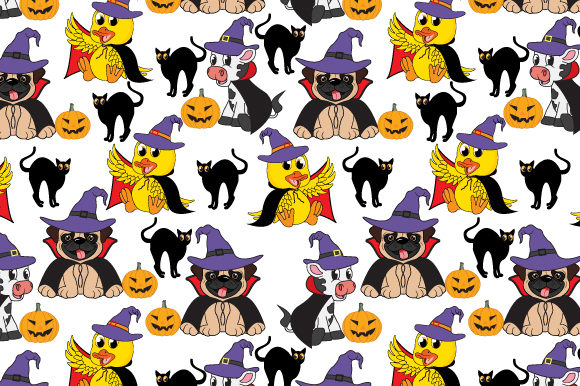
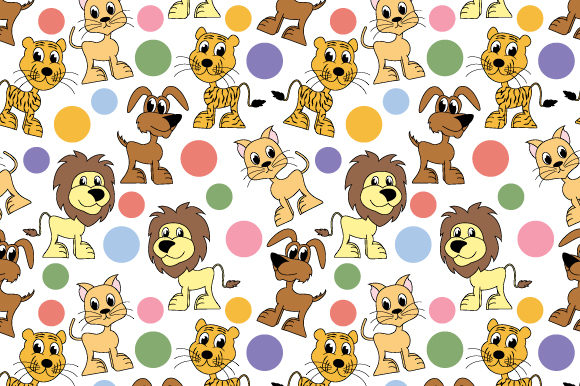
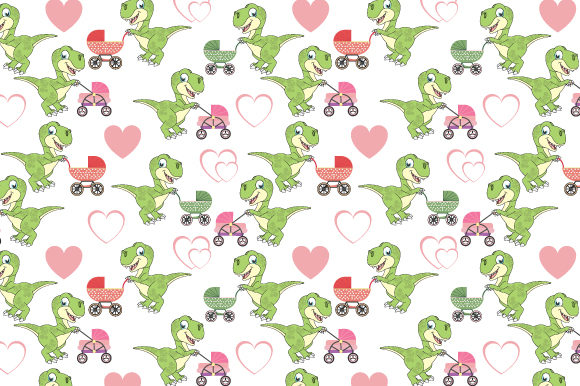
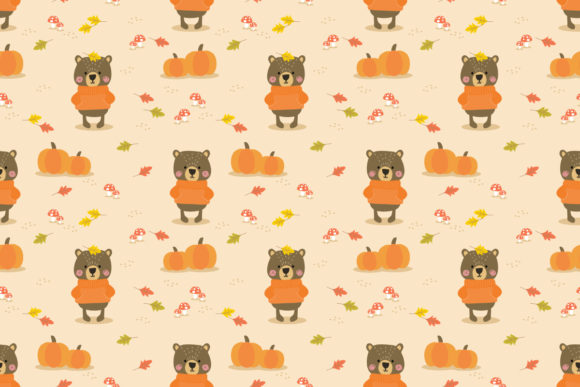
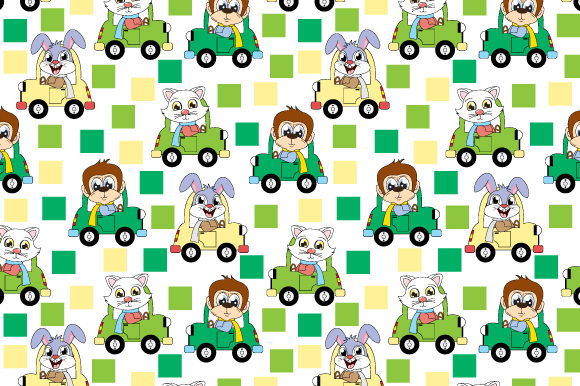
At its simplest, pattern design with cute animal cartoons involves repeating illustrated motifs of animals rendered in a stylized, endearing manner. These designs typically use simplified shapes, exaggerated features like large eyes or rounded bodies, and soft or cheerful color palettes. The patterns can appear on fabrics, wallpapers, stationery, digital backgrounds, packaging, children's apparel, and home decor. The defining trait is an intentional focus on warmth and approachability rather than realism or edginess.
The aesthetic vocabulary here draws from a long tradition of character design that prioritizes emotional connection. Designers often work with themes of friendship, playfulness, and comfort. However, the execution quality varies significantly. Some pattern designs lean minimalist with clean lines and restrained color, while others embrace maximalism with dense arrangements and vibrant hues. Recognizing this spectrum is useful when evaluating whether a particular style matches your intended tone.
Why Someone Might Consider This Style
People gravitate toward pattern design with cute animal cartoons for reasons that go beyond mere visual preference. Understanding these motivations can clarify whether your own interest is rooted in a solid strategic decision or a passing trend.
Emotional branding and connection. Businesses targeting families, children, or pet lovers often find that cute animal motifs create an instant emotional bridge. A bakery using a pattern of smiling foxes and bears on its packaging signals warmth before a customer even tastes the product. This emotional shortcut can be valuable in crowded markets where differentiation is otherwise difficult.
Nostalgia and comfort. Many adults respond positively to these designs because they evoke childhood memories or a sense of whimsy. Products like planners, phone cases, and loungewear frequently incorporate cute animal patterns to tap into this comforting familiarity. For personal projects, such as a nursery or a handmade gift, the appeal often lies in creating an environment that feels safe and joyful.
Broad demographic reach. Unlike edgy or highly abstract patterns that may polarize audiences, cute animal cartoons tend to be inoffensive and widely accepted. This makes them a pragmatic choice for items intended for diverse age groups or public-facing applications where minimizing negative reactions matters.
Versatility in application. Pattern design with cute animal cartoons adapts surprisingly well across mediums. A watercolor bunny repeat can look equally at home on a ceramic mug, a website header, or a cotton dress. For creators who want a cohesive visual identity across multiple product types, this adaptability reduces the need for separate design systems.
Benefits Worth Weighing
When evaluating pattern design with cute animal cartoons, several practical advantages emerge that extend beyond surface-level appeal. These benefits can influence both creative satisfaction and commercial outcomes.
Strong memorability. Human brains are wired to notice and remember faces, even simplified or stylized ones. Animal characters with expressive features create pattern designs that lodge in memory more effectively than purely geometric or abstract repeats. For brands, this memorability can translate into recognition over time.
Ease of storytelling. Cute animal patterns naturally suggest narratives. A pattern showing kittens playing with yarn or pandas climbing bamboo invites the viewer to imagine a story. Brands and creators can leverage this implicit storytelling to build richer worlds around their products without additional explanation.
Positive association transfer. People's affection for animals can transfer to the product or surface bearing the pattern. This psychological effect, while subtle, can influence purchasing decisions and user satisfaction. A notebook covered in cheerful hedgehogs may simply feel more delightful to use than a plain alternative, even if the paper quality is identical.
Established market demand. The commercial track record for well-executed cute animal patterns is robust. From major retailers to independent artists on print-on-demand platforms, this category consistently performs. For those evaluating from a business perspective, proven demand reduces some of the risk inherent in choosing a niche aesthetic.
Tradeoffs and Practical Considerations
No design direction is without its limitations, and pattern design with cute animal cartoons carries specific tradeoffs that merit honest assessment. Overlooking these can lead to mismatched expectations or disappointing results.
Perception of childishness. The most common critique is that cute animal patterns can read as juvenile. For products or brands aiming for sophistication, luxury, or a professional corporate image, this association may undermine credibility. A law firm's client intake forms decorated with cartoon puppies would likely confuse rather than comfort. Determining whether your audience will interpret the design as charming or immature requires honest audience analysis.
Trend sensitivity. Animal cartoon styles cycle through trends. What feels fresh and current today may look dated in a few years. Overly stylized interpretations tied to specific design eras can age poorly compared to more timeless approaches. When investing in custom pattern design, consider whether you prioritize longevity or are comfortable with periodic refreshes.
Limited audience alignment. While broad in some respects, cute animal patterns alienate demographics that prefer minimalist, edgy, or highly sophisticated aesthetics. A teenager decorating their first apartment may actively reject anything that reminds them of childhood. Understanding your target user's identity and aspirations helps gauge whether this style will resonate or repel.
Production complexity. Detailed animal illustrations with multiple colors increase printing costs and may require higher-quality substrates to render properly. What looks beautiful on screen can disappoint when printed on inexpensive materials with limited color accuracy. Budgeting for appropriate production quality is an often-overlooked factor when selecting pattern designs.
When Pattern Design with Cute Animal Cartoons Excels
Certain contexts align particularly well with this aesthetic. Recognizing these situations can strengthen confidence in the decision or redirect efforts toward more suitable alternatives.
Products for young children and families. This is the most straightforward fit. Clothing, bedding, toys, and educational materials for children benefit from the immediate engagement that cute animals provide. The design supports developmental needs for visual stimulation while meeting parental preferences for age-appropriate, wholesome imagery.
Gift and novelty items. Socks, greeting cards, wrapping paper, and small accessories thrive with playful patterns. In gift contexts, recipients are primed for delight, making them receptive to whimsy. The temporary or occasion-based nature of these products also mitigates concerns about the design feeling tiresome over time.
Pet-related businesses and content. Veterinary clinics, pet supply brands, animal shelters, and pet-focused social media accounts can use cute animal cartoon patterns to reinforce their mission and create thematic consistency. The design becomes a natural extension of the organization's identity rather than a decorative afterthought.
Personal creative projects. For hobbyists, crafters, and individuals creating for personal enjoyment or gifts, pattern design with cute animal cartoons offers high emotional reward with minimal risk. A handmade quilt or a custom phone wallpaper need not satisfy market demands, only personal taste and the intended recipient's preferences.
Situations Where Alternatives Deserve Consideration
Equally important is recognizing when a different approach might yield better results. Pattern design with cute animal cartoons is not universally optimal, and acknowledging this can prevent costly missteps.
Corporate and professional environments. Industries like finance, legal services, consulting, and B2B technology generally require visual identities that project authority, stability, and competence. Abstract geometric patterns, subtle textures, or understated botanical motifs often communicate these qualities more effectively than cartoon animals.
Luxury and premium positioning. High-end brands typically rely on sophisticated minimalism, rich textures, or heritage-inspired patterns to signal exclusivity. Cute animal cartoons can undermine this positioning by introducing an element of casualness that conflicts with premium pricing expectations.
Audiences with strong aesthetic identities. Subcultures, fashion-forward consumers, and demographics that define themselves through edgy or avant-garde taste are unlikely to embrace cute animal patterns. In these cases, bold graphics, typographic treatments, or abstract art-inspired patterns align better with the audience's self-perception.
Projects requiring serious tone. Awareness campaigns for sensitive causes, memorial products, or content addressing heavy topics generally benefit from patterns that are calming, neutral, or symbolic rather than overtly cute. The emotional contrast between the subject matter and a playful design can feel dissonant or disrespectful.
Practical Questions to Guide Your Evaluation
Moving from general analysis to a personal decision requires asking targeted questions. Answering these honestly can clarify whether pattern design with cute animal cartoons fits your specific situation.
Who is the primary audience, and what do they value? Go beyond demographics to consider psychographics. Does your audience seek comfort, joy, and nostalgia, or do they prioritize sophistication, individuality, and edge? The answer often reveals whether cute animal patterns will feel like a perfect match or a fundamental misalignment.
What is the intended emotional response? Articulate the feeling you want to evoke. If words like warmth, safety, and delight top the list, cute animal cartoon patterns are a strong contender. If you aim for intrigue, power, or serenity, other pattern types may serve better.
How long will this design live? For a limited-run seasonal product or a personal one-off project, trend sensitivity matters less. For brand identity elements meant to last years, consider whether the pattern can endure or whether a more timeless interpretation of animals, perhaps in a folk art or simplified silhouette style, would age more gracefully.
What are the production realities? Evaluate your printing, manufacturing, or digital rendering constraints. If full-color, detailed patterns are cost-prohibitive, look for cute animal designs that work in fewer colors or simpler linework. Constraints can guide you toward variations within the category that remain viable.
Does the design support or distract from the core purpose? A pattern should enhance, not overpower. If the animal cartoons compete with important information or overwhelm the product's primary function, scaling back complexity or choosing a more subtle arrangement may be necessary.
Making a Confident Choice Without Hype
Pattern design with cute animal cartoons deserves a clear-eyed evaluation rather than automatic acceptance or dismissal. Its strengths are real: emotional connection, memorability, broad appeal, and proven commercial viability. Its limitations are equally real: potential for childish connotations, trend dependency, and misalignment with certain audiences or purposes.
The most successful applications come from matching the style to contexts where delight and approachability are genuine assets. When the fit is right, the design feels inevitable rather than forced. When the fit is questionable, exploring botanical patterns, geometric repeats, abstract textures, or even more stylized animal illustrations outside the cartoon realm can provide alternatives that satisfy similar needs with different tonal qualities.
Ultimately, pattern design with cute animal cartoons is a tool like any other in visual communication. Its value depends less on the style itself and more on the clarity with which you understand your audience, your purpose, and the specific emotional landscape you hope to create. Taking time to assess these factors honestly will lead to a decision that feels grounded and intentional, regardless of whether cute animals end up adorning your project.