The Art of Flowing Ink: Understanding Marble Textures – Suminagashi
There is a quiet magic in watching ink float on water, spreading into organic patterns that no human hand could precisely replicate. This is the heart of Marble Textures – Suminagashi, an ancient Japanese technique that translates to "floating ink." For centuries, artisans have used this method to create mesmerizing marbled papers, and today, those same fluid patterns appear across digital design, home décor, fashion, and fine art. Whether you are a creator seeking inspiration, a business owner refining a brand identity, or simply someone drawn to elegant visual forms, understanding Suminagashi opens a door to textures that feel both timeless and refreshingly contemporary.
What Exactly Are Marble Textures – Suminagashi?
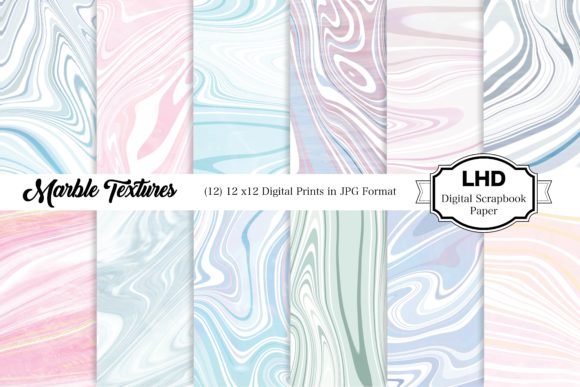
At its simplest, Marble Textures – Suminagashi refers to the swirling, stone-like patterns produced when ink or pigment is carefully placed onto a water surface and gently manipulated. Unlike Western marbling techniques that often use thickened water and combs to create precise, repeating motifs, Suminagashi embraces a more meditative approach. The ink disperses naturally, guided by surface tension, breath, and subtle movements. The resulting designs are fluid, asymmetrical, and deeply organic — resembling the veining found in polished marble, the drift of smoke, or the currents of a slow-moving river.
In both traditional craft and modern digital interpretation, these textures carry a distinct aesthetic. They feel luxurious without being ostentatious, complex without being chaotic. This balance makes them remarkably versatile across a wide range of visual applications.
A Brief Glimpse into the Origins
Suminagashi emerged in Japan over a thousand years ago, with some of the earliest examples dating back to the Heian period. Originally, practitioners used sumi ink and a bath of plain water. The process was closely tied to mindfulness and artistic contemplation. Papers decorated with Marble Textures – Suminagashi often adorned imperial poetry collections and important documents, signaling refinement and cultural sophistication.
Understanding this heritage matters because it explains the inherent character of these textures. They are not manufactured patterns in the modern sense. They carry the imprint of a natural, almost philosophical process. When designers and brands incorporate Suminagashi-inspired visuals today, they tap into a legacy of artistry that adds depth and meaning beyond mere decoration.
Key Characteristics That Define Suminagashi Textures
Not all marbled patterns are created equal. Several distinct traits set Marble Textures – Suminagashi apart from other decorative swirls and veined designs.
Organic Fluidity
The lines in Suminagashi rarely follow rigid geometry. Instead, they meander and ripple with a soft, almost liquid rhythm. This organic quality makes them particularly appealing in contexts where a sense of calm or natural elegance is desired.
Subtle Color Transitions
Traditional Suminagashi often employs a restrained palette — deep blacks, indigos, and earthy tones. Contemporary interpretations expand this to soft pastels, metallic accents, and vibrant hues, but the hallmark remains gentle transitions rather than harsh contrasts.
Layered Depth
Because the ink floats and spreads in multiple stages, the patterns develop a sense of depth. Concentric rings overlap and intersect, creating visual layers that draw the eye inward. This dimensionality makes Marble Textures – Suminagashi especially effective on surfaces where light plays a role, such as glossy paper, fabric sheens, or digital interfaces with subtle animations.
Unrepeatable Uniqueness
No two Suminagashi impressions are identical. Even when a skilled artist repeats the same motions, water and ink behave with slight variations. This uniqueness translates into a feeling of exclusivity, which can be a powerful asset in branding and custom product design.
Where Marble Textures – Suminagashi Find Their Place
The applications span far beyond traditional paper arts. Today, these textures appear across industries and creative disciplines, often where a refined, organic aesthetic is needed.
Interior Design and Home Décor
From wallpaper to ceramic tiles, upholstery fabrics to accent cushions, Marble Textures – Suminagashi introduce a soft, flowing energy into living spaces. They work exceptionally well in minimalist interiors, where the delicate patterns add interest without overwhelming the room. Restaurant owners and boutique hotel designers often choose Suminagashi-inspired surfaces to create an atmosphere of understated luxury.
Stationery and Wedding Invitations
Few things elevate a handwritten note or invitation suite like marbled paper accents. Couples seeking a sophisticated, artisanal touch gravitate toward Suminagashi textures for save-the-dates, envelopes, and place cards. The patterns lend a sense of occasion and craftsmanship that digital printing alone cannot replicate.
Fashion and Textiles
Designers incorporate marbled motifs into silk scarves, flowing dresses, and accessories. The fluid patterns drape beautifully on fabric, complementing movement and creating a dynamic visual effect. Marble Textures – Suminagashi on garments often evoke a connection to traditional craftsmanship while remaining entirely modern in styling.
Digital Design and Branding
Websites, app backgrounds, packaging, and logo elements all benefit from the organic softness these textures provide. In an era dominated by flat, geometric design, a subtle Suminagashi background can humanize a digital product and make a brand feel more approachable. Luxury skincare lines, artisanal food brands, and wellness platforms commonly use marbled textures to convey purity and natural origin.
Product Packaging
Boxes, tissue paper, and labels adorned with flowing ink patterns signal care and quality. When a customer unwraps a product wrapped in Suminagashi-inspired packaging, the experience feels intentional and elevated — a tactile and visual delight before the product itself is revealed.
Who Benefits from Using These Textures?
The appeal of Marble Textures – Suminagashi crosses professional boundaries. Graphic designers seeking to soften corporate identities find them invaluable. Small business owners in craft, beauty, or hospitality can differentiate their brands without resorting to generic templates. Fine artists incorporate marbling into mixed-media works, while DIY enthusiasts explore Suminagashi kits to create one-of-a-kind handmade items. Teachers and workshop facilitators also use marbling as a therapeutic activity, connecting participants with a slow, mindful creative process.
In short, anyone who values texture, storytelling, and visual elegance stands to gain from understanding and applying these marbled patterns.
Practical Strengths Worth Considering
- Timeless aesthetic appeal: Unlike trendy patterns that date quickly, Suminagashi textures have endured for centuries and continue to feel fresh.
- Versatile application: They translate well across print, digital, textile, and three-dimensional surfaces.
- Emotional resonance: The flowing, gentle lines evoke calm, refinement, and connection to nature.
- Brand differentiation: Using Marble Textures – Suminagashi helps products and visuals stand apart in saturated markets.
- Low barrier to entry: Digital assets, tutorials, and marbling kits make the technique accessible to beginners and professionals alike.
Honest Considerations and Limitations
While the benefits are substantial, approaching Marble Textures – Suminagashi with realistic expectations leads to better outcomes. Traditional marbling requires patience and practice. The ink behaves unpredictably at times, and achieving a specific vision can demand multiple attempts. For those working with physical materials, water quality, paper type, and drying conditions all affect results.
In digital contexts, high-resolution marbled textures can be resource-intensive. Designers should optimize file sizes carefully to avoid slowing down website performance. There is also a risk of overuse. When every element on a page features strong marbling, the effect can become visually fatiguing. The best applications use Suminagashi as an accent or supporting texture rather than overwhelming the entire composition.
Another consideration is cultural respect. Suminagashi carries deep historical significance in Japan. Users should approach the tradition with appreciation rather than appropriation, especially when incorporating it into commercial branding. Acknowledging its origins adds authenticity and shows cultural awareness.
How to Evaluate Suitability for Your Project
Choosing whether Marble Textures – Suminagashi fit a specific need involves a few practical questions:
- What emotion should the texture convey? If calm, elegance, or organic flow aligns with the project's message, Suminagashi is a strong candidate.
- What is the visual hierarchy? Marbled backgrounds work best when foreground elements remain clean and legible. Consider using transparent overlays or muted color variations to maintain readability.
- Does the medium support the texture well? Print requires high-resolution files and careful color calibration. Digital platforms need optimized images to balance beauty and load speed.
- Is there room for customization? Off-the-shelf marbled assets can work, but custom-created textures offer a level of uniqueness that stock images cannot match. Commissioning a marbling artist or using advanced digital tools to generate bespoke patterns may be worth the investment.
- Will the texture age gracefully with the brand? Trendy applications fade, but well-integrated Marble Textures – Suminagashi have proven staying power.
Digital Tools and Physical Techniques
For those who want to create rather than just consume Suminagashi textures, two main paths exist. The hands-on approach involves a shallow tray of water, marbling inks, and absorbent paper. Workshops around the world teach the fundamentals, and starter kits make it accessible. The process itself becomes a form of creative meditation — slow, tactile, and deeply satisfying.
On the digital side, software like Adobe Photoshop, Procreate, and specialized texture generators allow designers to simulate marbled effects with precision. Layering semi-transparent brushstrokes, using liquify tools, and blending organic shapes can produce convincing Suminagashi-inspired results. Some platforms offer procedural generation, enabling infinite unique variations with adjustable parameters for color, density, and flow intensity. Digital creation sacrifices none of the beauty and adds reproducibility, making it ideal for branding systems and large-scale projects.
Integrating Suminagashi Thoughtfully
The most successful uses of Marble Textures – Suminagashi share a common trait: restraint. A website might feature a marbled hero section behind bold typography. A product label could use a swirling border that frames rather than fills. An interior space might showcase a single marbled accent wall, allowing the pattern to breathe. The key is treating the texture as a supporting element that enhances, rather than competes with, the core message.
Color choice significantly affects perception. Cool blue-grey marbling suggests tranquility and professionalism, while warm terracotta or rose gold tones introduce energy and romance. Testing variations against the intended environment — screen, fabric, or physical surfaces — ensures the final result aligns with expectations.
The Enduring Allure of Flowing Patterns
Long after trends cycle through minimalism, maximalism, and everything in between, Marble Textures – Suminagashi remain relevant. Their roots in nature, art, and mindfulness give them a resonance that purely decorative patterns lack. They remind viewers of water, stone, and the quiet beauty of imperfection — qualities increasingly valued in a fast-paced, digitally saturated world.
For consumers, encountering these textures often sparks curiosity. For professionals, they offer a versatile tool to communicate sophistication. For creators, they represent a bridge between ancient craft and contemporary expression. Whether used on a wedding invitation, a luxury soap wrapper, a meditation app interface, or a silk scarf, Suminagashi textures carry a story worth sharing.
Making an Informed Choice
Ultimately, the decision to incorporate Marble Textures – Suminagashi depends on alignment with purpose. They excel where softness, heritage, and organic beauty are assets. They may be less suitable where high contrast, sharp geometry, or ultra-modern industrial aesthetics dominate. Understanding these nuances helps avoid mismatched applications and ensures the texture serves its full potential.
Exploring sample swatches, testing digital mockups, and consulting with artists experienced in marbling can provide valuable insight before committing to a direction. Small experiments often reveal whether the texture harmonizes with the broader vision or feels out of place. When the fit is right, the result is unmistakable — a visual experience that feels both crafted and effortless, rich in history yet entirely fresh.