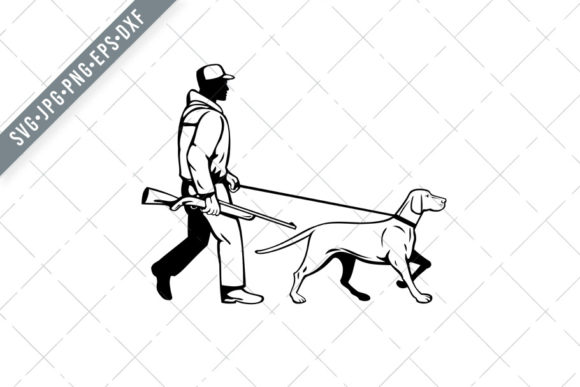
The Bird Hunter Hungarian Pointer Dog: A Practical Evaluation for Serious Sportsmen and Active Owners
Few hunting companions command the same quiet respect in the field as the Hungarian Pointer, known formally as the Vizsla. This rust-gold gun dog has carved a distinct reputation among upland bird hunters, competitive field trialers, and families who expect more than a house pet. The breed combines a sharp nose, an almost obsessive retrieving instinct, and a temperament that makes it viable as both a working tool and a household member. Understanding exactly what this dog brings to the table — and what it demands in return — is essential before you invest time, money, and training resources.
Understanding the Hungarian Pointer's Working Heritage
The Hungarian Pointer traces its roots to the Magyar tribes of the Carpathian Basin, where it evolved alongside falconers and mounted hunters centuries before firearms entered the picture. This history matters because it shaped a dog that works close, stays visually connected to its handler, and points with a distinctive upright posture. Unlike heavier continental breeds that plod through cover, the Vizsla moves with an economical, catlike gait that conserves energy over long days afield.
The breed's original purpose was threefold: locate game, point it with steadiness, and retrieve to hand — on land and from water. Modern bird hunters still rely on this versatility. A well-bred Hungarian Pointer transitions from scanning a sorghum field for pheasant to tracking a winged duck through a cattail marsh without missing a beat. That breadth of utility sets the breed apart from specialists that excel in one terrain but struggle in another.
What Separates a Quality Bird Hunter Hungarian Pointer from the Pack
Not every Vizsla possesses the drive and bird sense that serious hunters require. Show-line dogs often carry softer temperaments and diminished prey drive. Field-bred lines, particularly those selected through organizations like the Vizsla Club of America's field trial program, produce dogs with measurable differences in olfactory acuity, stamina, and independence of search. When evaluating a potential hunting companion, look for breeding that emphasizes measurable performance markers rather than just conformation titles.
Key field characteristics to assess include:
- Nose quality: The ability to scent birds at distance and work challenging wind conditions without excessive false pointing
- Natural retrieve instinct: A pup that retrieves without being force-trained indicates strong genetic programming
- Heat tolerance: The short coat helps in warm early-season hunts, but conditioning and hydration practices still matter enormously
- Trainability markers: Biddability and a genuine desire to collaborate with the handler, not just a mechanical compliance
- Point intensity: A rigid, focused stance that holds birds tight rather than creeping in and flushing prematurely
Real-World Field Performance: What the Hungarian Pointer Actually Delivers
On a crisp October morning in mixed CRP grassland, the difference between a mediocre gun dog and a well-bred Hungarian Pointer becomes starkly apparent. The Vizsla works the cover with a high head carriage, reading scent cones that other dogs barrel straight through. Its quartering pattern adjusts naturally to wind direction — a sign of innate intelligence rather than robotic training. When it locks onto a covey, the point is unmistakable: tail rigidly horizontal, one foreleg lifted, every muscle taut with anticipation.
The breed's size — typically 45 to 65 pounds — strikes a practical balance. A larger dog might muscle through thick cover more effectively, but it will also fatigue faster and risk overheating in the early dove season. The Hungarian Pointer's lean build, deep chest, and efficient cardiovascular system allow it to hunt for hours without the physical breakdown that heavier breeds sometimes exhibit by midday. For the walking hunter who covers six to twelve miles in a typical outing, that endurance translates directly into more productive hours over the gun.
Water Work and Recovery Abilities
Though primarily associated with upland game, the Hungarian Pointer's retrieving instinct extends reliably to waterfowl duty. The breed's webbed feet and rudder-like tail provide genuine swimming capability, and the short, dense coat sheds water reasonably well. However, practical limitations emerge in cold conditions. A Vizsla lacks the insulating undercoat of a Labrador or Chesapeake Bay Retriever. Late-season duck hunters in northern climates will need to invest in a neoprene vest and monitor their dog for hypothermia more closely than they would with a traditional waterfowl breed. This is not a weakness so much as a tradeoff — you gain incredible agility and land speed at the cost of cold-water endurance.
Training Realities and the Handler Relationship
The Hungarian Pointer earned its reputation as a "velcro dog" for good reason. It forms an unusually intense bond with its handler and tends to check in visually even when working at distance. This trait makes the breed highly responsive to direction but also creates a potential vulnerability: heavy-handed training methods can shut the dog down more quickly than they would a more aloof breed. Positive reinforcement, clarity in commands, and consistency produce markedly better results than correction-heavy approaches.
Several training considerations deserve attention:
- Early exposure to birds is critical. Puppies introduced to quail or pigeons between eight and twelve weeks often develop stronger pointing instincts than those started later.
- E-collar conditioning must be deliberate and careful. The breed's sensitivity means that improper pressure can create avoidance behaviors that become difficult to undo.
- Steadiness training requires patience. The Vizsla's natural enthusiasm sometimes manifests as a tendency to break early. Methodical steadiness work with launchers or remote traps prevents ingraining bad habits.
- Socialization extends beyond dogs and people. Exposure to horses, ATVs, boats, and gunfire should occur incrementally during the critical developmental window between seven and sixteen weeks.
Force-Free Versus Balanced Training Approaches
A legitimate debate exists within the Vizsla community regarding training philosophy. Some handlers achieve competition-level results entirely through positive methods. Others incorporate e-collar pressure as a non-negotiable tool for certain applications, particularly snake-proofing and maintaining steadiness at extreme distances. The practical truth is that this breed can thrive under either approach, but the handler's timing, emotional control, and ability to read the individual dog matter far more than dogmatic adherence to one school of thought. A skilled trainer using balanced methods will produce a more reliable hunter than a novice attempting force-free techniques without real understanding.
Living with a Hungarian Pointer: Beyond the Hunting Season
The same qualities that make this breed exceptional in the field — energy, intelligence, and drive — become liabilities in a sedentary household. A Hungarian Pointer without adequate exercise and mental stimulation frequently develops destructive behaviors, separation anxiety, or neurotic patterns like obsessive licking. Professionals who work long hours and expect a dog that settles quietly in an apartment will find themselves frustrated. This is fundamentally a working breed that happens to have excellent indoor manners when properly exercised, not a companion breed that occasionally enjoys a walk.
Typical daily requirements for an adult Hungarian Pointer include:
- At minimum, 60 to 90 minutes of off-leash running, not just leash walking
- Structured training sessions that engage problem-solving abilities
- Scent work, fetch-to-hand practice, or similar breed-specific enrichment
- Consistent, calm leadership that provides psychological security
For remote workers and entrepreneurs with flexible schedules, the breed can integrate beautifully into a lifestyle that includes morning runs, midday training sessions, and weekend hunting excursions. The dog becomes a constant companion rather than an obligation that competes with work commitments.
Health, Longevity, and the Cost of Ownership
The Hungarian Pointer generally enjoys robust health compared to breeds burdened by extreme conformational exaggerations. A well-bred Vizsla from health-tested lines typically lives twelve to fourteen years, often remaining active in the field well into its senior years. However, prospective owners should screen for several conditions with elevated prevalence in the breed:
- Epilepsy: Idiopathic epilepsy appears in certain lines and can manifest between ages one and five
- Hip dysplasia: Rates are lower than in heavier breeds, but OFA certification of parents remains prudent
- Lymphoma and mast cell tumors: Cancer rates in Vizslas warrant attention and early veterinary screening
- Autoimmune thyroiditis: Annual thyroid panels help catch this condition before clinical signs become severe
- Progressive retinal atrophy (PRA): DNA testing of breeding stock has reduced but not eliminated this risk
First-year ownership costs, including purchase from a reputable breeder, initial veterinary care, training equipment, and basic supplies, typically range from $3,500 to $6,000. Hunt test entry fees, travel, and bird costs add significantly for those pursuing competitive venues. These are not trivial investments, but they align with what serious bird hunters would spend on any quality pointing breed.
Comparing the Hungarian Pointer to Other Upland Breeds
The bird dog market includes several pointing breeds that overlap in capability. Understanding how the Hungarian Pointer stacks up against alternatives helps clarify the purchasing decision:
Versus the German Shorthaired Pointer: The GSP generally offers heavier build, greater cold tolerance, and more pronounced independence in search. The Vizsla provides a tighter-working pattern, softer temperament, and typically smoother indoor manners. Both breeds deliver excellent versatility, but the Hungarian Pointer suits hunters who prioritize close collaboration over ranging distance.
Versus the English Pointer: The English Pointer's bird-finding ability and pointing intensity are legendary, but it lacks the retrieving drive and water aptitude that make the Vizsla a true versatile gun dog. The Hungarian Pointer is the more complete package for the hunter who pursues multiple species across varied terrain.
Versus the Brittany: These breeds share similar size and handler orientation. Brittanies often exhibit faster, more animated ground coverage, while Vizslas trade some of that flashiness for steadier temperament and a more deliberate hunting style. The choice often reduces to personal aesthetic preference and handling style.
Who Benefits Most from Owning a Bird Hunter Hungarian Pointer
The ideal owner is an active adult who views dog ownership as a partnership rather than a convenience. Upland bird hunters who hunt thirty to sixty days per season will see the greatest return on their training investment. Hunt test enthusiasts and field trial competitors will find a breed that performs consistently at high levels when bred for those venues. Families with older children who participate in 4-H dog programs or junior hunt tests represent another natural fit, as the breed's sensitivity makes it an excellent teaching dog for young handlers learning timing and body language.
Conversely, several profiles should consider alternatives. The urban apartment dweller without access to large off-leash areas will struggle to meet the breed's exercise requirements. The hunter who exclusively pursues late-season waterfowl in freezing conditions will find a retriever breed more appropriate. The person seeking a low-maintenance companion that thrives on a daily walk and casual fetch session will likely feel overwhelmed by the Hungarian Pointer's intensity and need for purposeful work.
Locating and Selecting a Quality Pup
The difference between a backyard breeder's litter and one from a responsible, field-oriented program manifests across the dog's entire working life. Start with the breed club's breeder referral program and prioritize those who actively hunt, test, or trial their own dogs. Ask to see both parents work birds if possible — a sire's field trial titles mean little if the dam lacks proven hunting ability. Health clearances should be verified through public databases like OFA, not just claimed verbally.
Expect a waiting list from the best breeders. The Hungarian Pointer's surge in popularity has attracted some profit-driven operators who prioritize puppy count over quality. A deposit placed early, a willingness to travel, and a clear conversation about your hunting goals will help align you with the right mating. The upfront diligence pays compound interest over the dog's decade-plus career in the field and at home.
The Bird Hunter Hungarian Pointer Dog represents a substantial commitment of time, energy, and resources. For those prepared to meet its needs, it offers a rare combination of athleticism, trainability, and companionship that makes it one of the most rewarding gun dogs available today. The decision should hinge on an honest assessment of your hunting volume, home environment, and willingness to engage with the dog as a full partner rather than a casual pet.