The Enduring Legacy of the Samurai Warrior and His Katana Sword
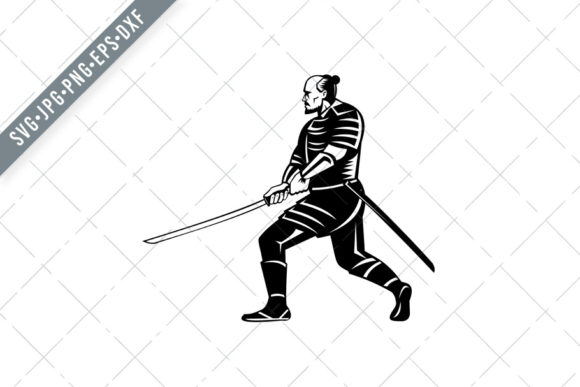
Few images in history command as much instant recognition and deep fascination as that of the samurai warrior with a katana sword. This iconic figure represents far more than a soldier with a weapon. It embodies a complete philosophical system, an artistic tradition, and a cultural legacy that continues to influence everything from modern business practices to blockbuster cinema. Understanding this warrior and his blade means peeling back layers of myth, honor, and extraordinary craftsmanship to reveal a way of life that still offers valuable lessons today.
The Rise of the Samurai Class and Their Defining Weapon
To grasp the significance of the katana, you first need to understand the samurai themselves. The samurai emerged during the Heian period in Japan, roughly between the 8th and 12th centuries, initially as provincial warriors hired by nobles to protect their lands and enforce their will. Over centuries, they evolved into a distinct ruling class, complete with a strict code of ethics, political power, and cultural refinement. By the Kamakura period, the samurai had become the dominant military nobility, and their role was cemented in Japanese society until the feudal system was officially abolished in the late 19th century.
Throughout this transformation, the samurai’s primary weapon remained the sword. But not just any sword. The katana, with its distinctive curved, slender, single-edged blade, circular or squared guard, and long grip designed to accommodate two hands, became the very soul of the samurai. It was more than a tool for battle; it was a symbol of the warrior’s honor, spirit, and social status. A samurai would often say that his sword was his soul, and losing it was considered a profound disgrace.
Why the Katana’s Design Was Revolutionary
Before the katana, Japanese swords were generally straight or slightly curved blades that were worn edge-down, suspended from the belt with cords. The katana’s design, refined during the Mongol invasions of the 13th century and later perfected in the Muromachi period, responded directly to the changing nature of combat. Warfare shifted from primarily mounted archers to infantry skirmishes requiring faster, more effective cutting and drawing techniques. The katana’s deep curve allowed for a more efficient slicing action, and the method of wearing it thrust through the sash, edge-up, enabled a samurai to draw and cut in a single fluid motion—a technique critical in split-second encounters.
The blade’s geometric perfection was achieved through a complex, labor-intensive forging process that still defines Japanese swordsmithing. Master smiths would fold the steel multiple times to remove impurities and distribute carbon content evenly. This created a blade with a hard, razor-sharp edge capable of astonishing cutting power and a softer, more flexible spine that could absorb shock without snapping. The visible result of this differential hardening is the hamon, the wave-like pattern along the blade’s edge that is both a mark of quality and a work of art in itself.
The Philosophical Connection Between Warrior and Blade
Reducing the samurai to a mere warrior misses the point entirely. They lived by Bushido, the “Way of the Warrior,” a moral code that emphasized virtues such as righteousness, courage, benevolence, respect, honesty, honor, and loyalty. In this context, the katana was not merely a weapon of violence but a tool for spiritual discipline and moral reflection. The art of wielding the sword, known as kenjutsu, was considered a path to self-perfection. Through rigorous, repetitive practice, the samurai aimed not only to master physical technique but to calm the mind, eliminate fear, and achieve a state of complete, focused awareness called mushin or “no-mind.”
This philosophy directly challenges a common modern misunderstanding: that the samurai were reckless or bloodthirsty killers. In reality, their training was a lifetime pursuit of emotional control and ethical judgment. A true master of the katana was taught that drawing the blade was a last resort, not a first impulse. The dual wearing of the daisho, the long katana alongside the shorter wakizashi, symbolized this balance of power and restraint. The wakizashi served for close-quarters combat or, in darker times, for the ritual suicide known as seppuku, which was viewed as an act of honor rather than shame. These practices, though extreme, underscore how deeply intertwined the samurai’s identity was with their swords and their code.
The Katana as a Living Artifact
To see a genuine, well-preserved katana from Japan’s feudal period is to witness centuries of accumulated knowledge, artistry, and spiritual dedication. Every component, from the blade itself to the handle wrapping and the ornate tsuba (guard), was crafted by specialized artisans. The blade’s grain patterns, the temperature-induced colorations, and the subtle shaping of the point were all meticulously controlled. Signing a finished blade was a sacred act for the swordsmith, who often performed religious rituals before beginning the forge. Today, these antique blades are treated not just as historical objects but as national treasures and fine art, fetching enormous sums and inspiring museum exhibitions worldwide.
Bridging Ancient Tradition to Modern Life
At first glance, the samurai and his katana might seem irrelevant to contemporary existence. We don't walk around with swords, and the concept of a battlefield duel is alien to most of us. Yet, the underlying principles of this warrior tradition have found surprising and powerful applications in modern business, personal development, and creative fields. This is not about literal sword fighting; it's about mindset.
Consider the concept of mushin again. In a high-stress workplace, the ability to operate without the paralyzing interference of fear, anger, or ego is invaluable. Executives, surgeons, athletes, and performers all describe similar states of peak performance where action flows without conscious overthinking. This is the samurai’s mental discipline in a modern suit. In the technology sector, the principle of continuous improvement, relentless attention to detail, and a respect for the foundational “craft” of coding or design echoes the swordsmith’s devotion. The iterative process of building a digital product often benefits from the patient, layered approach that forged a katana over weeks of repeated heating, hammering, and cooling.
Business literature has long been fascinated with Bushido. Books like “The Book of Five Rings” by the legendary swordsman Miyamoto Musashi are studied not just by martial artists but by entrepreneurs and strategists. Musashi’s emphasis on knowing your environment, adapting fluidly, and mastering timing speaks directly to navigating competitive markets. The samurai lesson of total commitment and clarity of purpose helps leaders avoid the indecision and half-measures that doom projects. Using the samurai warrior with a katana sword as a metaphor for focused leadership is not a romantic cliché; it is a practical model for cutting through noise and acting with integrity.
Education and Personal Growth Through the Lens of the Sword
In education, the samurai model offers an alternative to the purely intellectual, test-driven approach. The physical disciplines of Japanese martial arts like kendo and iaido, which descend directly from kenjutsu, are practiced worldwide as ways to build character, respect, and physical coordination. These arts require students to not only learn movements but to face opponents, manage emotional responses, and develop a sincere bow to tradition. The katana in this context becomes an educational tool for instilling self-discipline and a non-verbal understanding of history and culture. Many dojos maintain that you cannot truly grasp the physical form without understanding the politeness and controlled aggression that shaped it—a holistic education that modern pedagogy often struggles to provide.
For personal growth, the metaphor extends beautifully into what many call “sharpening your blade.” This means cultivating your skills, pruning distractions, and consistently refining your character. The samurai would never neglect his sword because his life depended on it. In a less literal sense, your skills, mental health, and relationships are your modern katana. Neglecting them leaves you dull and unprepared for life’s inevitable challenges. The practice of daily, intentional improvement, however small, resonates with the slow, careful polishing of the blade’s surface.
Separating Myth from Historical Reality
The romanticized samurai image, heavily promoted by films, anime, and novels, often obscures a more complex and sometimes uncomfortable truth. The samurai were not always noble paragons of virtue. Their power was built on a rigid feudal system marked by vast inequality. The romantic concept of absolute loyalty could lead to tragic, unnecessary deaths. The katana’s legendary sharpness is real, but popular myths about blades cutting through machine gun barrels or other absurd feats are just that—myths, heavily fueled by post-war entertainment. A genuine samurai knew the limits of his blade intimately and would never recklessly damage it in a pointless display.
Another common mistake is assuming the katana was the samurai’s only weapon. In reality, on the battlefield, the bow, spear, and later firearms were far more dominant. The sword was a sidearm, a personal weapon, and a symbol. Its cultural and spiritual significance grew to eclipse its tactical utility, especially during the long, relatively peaceful Edo period from the 17th to mid-19th century. Samurai then carried their daisho as a mark of their class, but many went their entire lives without drawing a blade in anger. They became bureaucrats, artists, and scholars who also followed the Way of the Warrior. This transition is a crucial part of the story, showing how a martial tradition can adapt into a cultural foundation.
How Museums and Craftsmen Preserve the Legacy Today
Walk into a museum today featuring a Japanese sword exhibit, and you’ll notice the curatorial care that treats these items as art first and weaponry second. The lighting is carefully adjusted to highlight the hamon and the grain of the steel. The plaques explain not just the historical context but the specific school of sword-making and the individual smith’s signature style. This is a powerful shift in perception. Modern Japanese swordsmiths, though few in number due to strict cultural property laws, still work using traditional methods, creating blades for shrines, ceremonial purposes, and the highest levels of martial arts practice. These smiths are considered living national treasures, and their work keeps a direct, unbroken lineage alive from the age of the samurai.
For the person who is simply curious, visiting such exhibits or reading detailed accounts provides a rich, tangible connection to the past. Holding a high-quality replica can teach you about balance and ergonomics in a way no book can. The surprising lightness of a well-made katana, the way the grip naturally fits the hands, and the visual illusion of the curve all communicate the fusion of form, function, and beauty that defines this object. The samurai warrior with a katana sword is not just a historical figure but an ongoing conversation about discipline, artistry, and what it truly means to live with purpose.
Key Takeaways for the Modern Reader
- The katana was a masterpiece of materials science long before that term existed, designed for speed, strength, and cutting efficiency.
- The samurai’s power came from a code, not just a blade; Bushido’s emphasis on honor, self-control, and continuous learning has direct applications in modern leadership and personal ethics.
- The tradition survives and thrives globally through martial arts like kendo and iaido, which teach physical and mental discipline rather than violence.
- Modern interpretations often exaggerate the sword’s mystique; understanding its historical limitations and the samurai’s broader life makes the reality more, not less, impressive.
- The concept of a “sharp mind” and the daily work of “polishing your blade” are effective metaphors for self-improvement and professional development.
Can a katana really cut through another sword?
Under highly specific, ritualized conditions, a masterfully constructed blade could possibly damage a lesser one. In the chaos of combat, however, edge-on-edge blocking was something swordsmen tried to avoid because it could chip or break even a superb katana. Parrying was typically done with the side or back of the blade, or with the guard. The “cutting through a machine gun” myth is purely Hollywood fiction and would destroy both the sword and reality.
Why did samurai carry two swords?
The pairing, called daisho, consisted of a long katana and a shorter wakizashi. Together, they represented the samurai’s social status and personal honor. The katana served for outdoor combat and open confrontations. The wakizashi was kept at all times, even indoors, and was used for close-quarters fighting, beheading defeated enemies, or the ritual act of seppuku. Wearing the daisho was a privilege strictly reserved for the samurai class.
Are new katanas still made the traditional way?
Yes, in Japan a small, carefully regulated number of swordsmiths are licensed to produce blades using the exact, centuries-old methods of smelting iron sand, folding the steel, and differential hardening. These new blades are considered art objects and are subject to strict Japanese gun and sword control laws. Outside of Japan, many craftsmen use a blend of traditional and modern steel-making techniques, but a blade made in the fully traditional Japanese manner is a rare and significant cultural piece.
How long did it take to make a genuine katana?
The process, from smelting the raw iron sand into tamahagane steel to the final polishing and mounting, could take weeks or months of daily labor by a team of specialists. The swordsmith’s forging alone might last several days of continuous, intensely physical work, followed by a slower, careful shaping and clay application for the hardening process. A professional polisher would then spend another week or more bringing the blade to its final, mirror-like finish using a sequence of specialized stones.
The Eternal Allure of a Disciplined Life
The figure of the samurai warrior with a katana sword persists not because we all want to fight or own antique weapons, but because he represents a human being operating at the very limit of his capacity in body, mind, and spirit. In an age of distraction and ethical shortcuts, the samurai model of deep work, unconditional integrity, and service to a cause greater than oneself holds immense appeal. The katana is the visible, tangible proof of that inner devotion. The blade’s unbroken lineage—from the fiery forge of a feudal smith to the hands of a modern practitioner bowing before practice—demonstrates a rare continuity of respect. To learn about this tradition is not to glorify a violent past, but to understand a complete and honest expression of human potential, where discipline, art, and purpose arc into a single, elegant form.