Vintage Tow Trucks and Wrecker Pick-ups: Mechanical Heritage on Four Wheels
Where Function Meets Patina: Understanding the Early Recovery Vehicle
Before hydraulic systems became the norm and digital controls took over dashboards, the vintage tow truck represented something fundamentally different from today's recovery vehicles. These machines were built during an era when a truck frame was a blank canvas, and the wrecker body was often fabricated by specialized shops that treated each build as a custom project. The wrecker pick-up variant, typically based on light-duty truck chassis from the 1930s through the 1970s, served as the workhorse for countless small garages, service stations, and independent operators who needed a versatile vehicle that could recover a stranded sedan and still run parts during the week.
The distinction between a dedicated tow truck and a wrecker pick-up mattered greatly in practice. A full-size wrecker often rode on a medium-duty or heavy-duty chassis with purpose-built booms, while the wrecker pick-up started life as a consumer-grade truck before receiving aftermarket modifications. Companies like Holmes, Manley, and Weaver supplied the wrecker units that transformed ordinary pick-ups into capable recovery vehicles. Understanding this lineage helps explain why certain models have become prized among collectors and restorers today.
The Anatomy of a Classic Recovery Rig
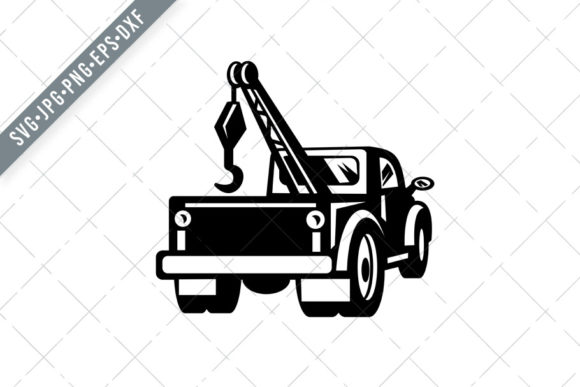
Examining a vintage wrecker pick-up reveals engineering choices that prioritized mechanical simplicity and field serviceability. Most units from the postwar era featured a twin-boom design with cable winches driven by a power take-off unit connected directly to the transmission. The operator engaged the PTO, and the winch spooled steel cable through sheaves mounted at the boom tips. No electronics, no wireless remote — just gears, levers, and the judgment of the person running the controls.
Chassis and Frame Reinforcement
A standard half-ton or three-quarter-ton pick-up frame wasn't designed for the torsional stress of lifting a vehicle from a ditch. Wrecker conversion shops addressed this by welding additional crossmembers, boxing the frame rails, and installing reinforced spring packs. On many surviving examples, you can still spot the telltale gusset plates and extra rivets that distinguish a properly converted vintage tow truck from a standard pick-up that someone bolted a boom onto as an afterthought.
Boom Configurations and Lifting Capacity
Early mechanical wreckers used a single boom with a hand-cranked winch, suitable for light-duty recovery where the operator could muscle a small car back onto the road. As vehicles grew heavier through the 1950s and 1960s, twin-boom arrangements became standard, often rated between three and eight tons of lifting capacity depending on the chassis and gear ratio of the winch drive. The Holmes 440 and Holmes 480 units remain among the most recognized wrecker bodies ever produced, and finding one still mounted on its original chassis represents a significant discovery for enthusiasts.
Restoration Realities: What New Owners Should Understand
Bringing a vintage wrecker pick-up back to life involves challenges that differ substantially from restoring a standard classic truck. The wrecker body itself adds layers of complexity — literally and figuratively — to every phase of the project. Parts availability, documentation, and the specialized knowledge required all contribute to a restoration landscape that rewards patience and penalizes shortcuts.
Many first-time buyers underestimate the condition of the cable and sheave systems. Steel cable that has sat under tension for decades develops internal corrosion that isn't visible from the outside. Sheave bearings, often bronze bushings rather than modern roller bearings, wear elliptically and create friction points that can cause cable failure under load. A thorough inspection of every rotating component in the wrecker assembly isn't optional — it's the difference between a functional recovery vehicle and a static display piece.
Sourcing Period-Correct Components
The aftermarket support for mechanical wrecker parts exists, but it operates differently than the reproduction parts networks familiar to muscle car or classic truck restorers. Small foundries still pour replacement sheaves, and a handful of specialists rewind period winches, yet finding these sources requires networking within the towing and recovery community. Salvage yards in rural areas occasionally yield intact Holmes or Manley units, and online forums dedicated to vintage tow truck preservation have become invaluable clearinghouses for both parts and practical wisdom.
Paint, Lettering, and Historical Accuracy
A restored wrecker pick-up tells a story, and the paint and lettering choices either support or undermine that narrative. Some owners pursue door lettering that replicates a known historical towing company, while others create fictional liveries that capture the aesthetic of a particular era. Hand-painted lettering, gold leaf accents, and period-correct warning lights all contribute to the overall impression. The trucks that draw the most attention at shows aren't necessarily the most perfect — they're the ones where every detail, from the shade of red on the boom to the style of the phone number painted on the door, feels coherent with the vehicle's imagined or documented history.
Modern Applications for Vintage Recovery Equipment
It would be easy to dismiss a 1960s wrecker pick-up as purely decorative in an age of flatbed carriers and rotator recovery units. Yet these older trucks continue to perform useful work in specific contexts that highlight their enduring design strengths. Their compact dimensions, mechanical simplicity, and low acquisition costs relative to modern equipment create niches where vintage equipment remains genuinely practical.
Farm and Rural Property Use
On large agricultural properties, a vintage wrecker pick-up serves as a multi-purpose tool that doesn't need to meet highway safety regulations for commercial towing. Moving disabled tractors, extracting stuck utility vehicles, lifting heavy components during equipment repair — these tasks align perfectly with the capabilities of a mechanically driven winch and boom. The truck can sit in a barn for months, start on a six-volt system with a hand choke, and work all day without throwing a diagnostic code or demanding a software update. For farmers and ranchers who maintain their own equipment, that reliability carries real weight.
Specialty Vehicle Transport and Events
Classic car collectors and vintage racing organizations have discovered that a period-correct wrecker pick-up adds authenticity to their events. A 1950s Holmes-equipped truck recovering a vintage sports car at a historic racing event creates a scene that no modern flatbed can replicate. Some specialty transport businesses have built reputations around using restored wreckers for high-end vehicle delivery, where the arrival of the truck becomes part of the experience for the client.
Collecting Trends and Market Observations
The market for vintage tow truck and wrecker pick-up examples has evolved significantly over the past two decades. Where these vehicles once traded hands among a small circle of former operators and industrial vehicle enthusiasts, broader collector interest has changed both pricing and the types of trucks that receive serious restoration investment.
What Drives Desirability
Several factors converge to make certain vintage wreckers more sought-after than others. Originality matters enormously — a truck still wearing its as-converted Holmes body with documented history from a known shop commands a premium over a later marriage of chassis and wrecker unit. The chassis itself plays a major role: Dodge Power Wagons, Ford F-Series trucks from the late 1940s and early 1950s, and International Harvesters with wrecker bodies all have dedicated followings. Unusual or rare chassis and wrecker combinations generate the strongest bidding at specialized auctions.
Condition Thresholds and Valuation
Unlike mainstream collector cars where condition grading follows relatively standardized guidelines, vintage wreckers exist on a spectrum that resists simple categorization. A truck with surface rust but a fully functional wrecker assembly might be worth more to the right buyer than a cosmetically restored example with untested recovery gear. The mechanical functionality of the boom, winch, and PTO system represents the core value proposition, and buyers who understand this evaluate trucks accordingly.
Safety Considerations When Operating Older Equipment
Operating a wrecker pick-up from the mechanical era requires a mindset shift for anyone accustomed to modern recovery practices. These trucks lack load-holding valves, automatic brake systems, and the multiple redundant safety features built into contemporary equipment. The operator's skill and judgment provided the safety margin, and that reality deserves respect from anyone planning to use rather than merely display vintage recovery gear.
Cable inspection procedures, understanding the effects of side pulls on boom stability, and recognizing the signs of an overloaded PTO driveline are all essential competencies. Most vintage wrecker manuals included detailed safety guidance that remains relevant today, and studying these original documents provides insights that generic modern towing training doesn't cover. The mechanical advantage systems used in older wreckers multiply force in ways that can surprise operators accustomed to hydraulic controls with built-in overload protection.
The Broader Cultural Significance
Vintage tow trucks occupy a distinctive place in American automotive culture that extends beyond their mechanical interest. They appear as supporting characters in countless period photographs, films, and recollections of roadside life before interstate highways and cellular phones changed the experience of vehicle breakdowns. A wrecker arriving on the scene represented rescue in a more tangible sense than a modern dispatch call — the driver was often the mechanic who would fix the car, not just transport it.
This cultural dimension explains part of the appeal for collectors who may never need to recover a vehicle but appreciate the connection these trucks provide to a different era of automotive service. Service stations that operated a wrecker pick-up were community institutions, and the trucks themselves became local landmarks. Preserving examples of that history, whether in museums, private collections, or as functional vehicles at historic events, maintains a tangible link to a service culture that has largely disappeared.
Learning from the Machines Themselves
For students of mechanical engineering, industrial design, and automotive history, a vintage tow truck or wrecker pick-up offers lessons that no textbook can fully convey. The progressive development of recovery equipment — from hand-cranked winches through PTO-driven systems to modern hydraulics — illustrates how practical problems drove innovation in ways that responded to the specific conditions of vehicle recovery. Examining the gearing choices, frame reinforcement methods, and control layouts of different eras reveals an evolutionary process shaped by field experience rather than theoretical design.
Museums and private collections that make these vehicles accessible to researchers and educators perform an important service. The trucks themselves, particularly unrestored examples that retain evidence of modifications and repairs made during their working lives, provide primary source material for understanding how small-scale manufacturing and local engineering traditions shaped the equipment that kept America's vehicles moving through the middle decades of the twentieth century.