What Hand Holding Up a DSLR Camera Really Communicates
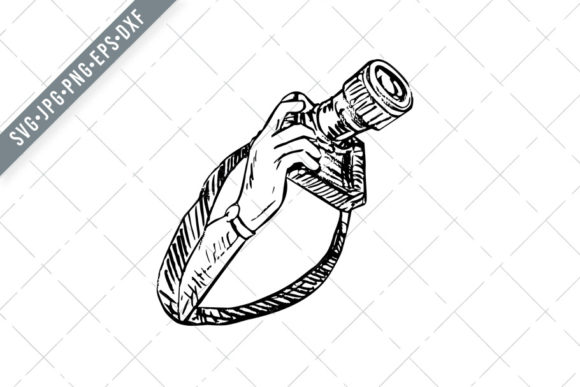
The image of a hand holding up a DSLR camera has become one of those visual shortcuts we all recognise instantly. It signals intent. It says someone is about to capture something important, frame a moment deliberately, or produce work that a smartphone simply cannot match. But beyond the symbolism, the physical act of hand-holding a DSLR shapes how you shoot, what you can achieve, and how your audience perceives the content you create.
I've spent years watching photographers, videographers, content creators, and business owners navigate the gap between tripod-perfect stability and handheld authenticity. What becomes clear is that hand holding up a DSLR camera isn't just a default position—it's a creative choice with consequences for sharpness, mobility, and the emotional quality of the final image.
The Physical Reality Behind the Pose
When you see someone hand holding up a DSLR camera properly, you'll notice a few things. Their elbows tuck close to the body. The left hand supports the lens from underneath. The camera presses gently against the face, creating a third point of contact. This isn't just ergonomic theatre—it directly impacts image sharpness and shooting endurance.
A DSLR body combined with a standard zoom lens typically weighs between 800 grams and 1.5 kilograms. Holding that mass at arm's length, especially for extended periods, introduces micro-movements that translate into soft images. The professional stance most photographers adopt reduces the lever effect, keeping the centre of gravity closer to the body's core. For anyone shooting events, weddings, or street photography, this technique becomes second nature because it directly correlates with the number of usable frames at the end of the day.
Why Sensor Size Changes the Handholding Equation
DSLRs pack larger sensors than compact cameras or smartphones, which is precisely why people choose them. But that larger sensor captures more detail—and more evidence of camera shake. The old reciprocal rule suggests your shutter speed should match or exceed your focal length. At 50mm, shoot at 1/50th of a second or faster. At 200mm, you need 1/200th or better. When you are hand holding up a DSLR camera with a telephoto lens attached, ignoring this guideline produces noticeably soft results, even with modern image stabilisation systems working hard to compensate.
In-body and in-lens stabilisation have changed the game, no question. Modern DSLR systems from Canon, Nikon, and Pentax offer anywhere from three to five stops of compensation. This means you might get away with 1/15th of a second at 50mm if your technique is solid. But stabilisation isn't magic, and relying on it without good handholding discipline limits what the gear can actually deliver.
When Handheld Shooting Becomes the Better Creative Decision
Tripods solve stability problems but introduce their own limitations. They slow you down. They restrict movement. In certain environments—crowded markets, ceremony spaces, busy event floors—a tripod becomes a liability rather than an asset. This is where hand holding up a DSLR camera shifts from compromise to advantage.
Handheld shooting allows for micro-adjustments in framing that happen almost subconsciously. You lean slightly left to exclude a distracting element. You dip the camera a few centimetres to change the relationship between foreground and background. These tiny, fluid movements are impossible with a locked-off tripod head and difficult even with a fluid video head. For documentary work, street photography, and candid portraiture, the handheld approach preserves spontaneity that rigid support systems kill.
The Emotional Texture of Slight Imperfection
There's something about a handheld image that reads differently to viewers. The fraction of organic movement—not blur, but the absence of clinical perfection—can make a photograph feel more present, more human. Wedding photographers often deliberately shoot handheld during candid moments because the slight imperfection mirrors the emotional tone of the event. Corporate headshots demand tripods. Tears during a speech demand handheld immediacy.
Videographers understand this intuitively. A locked-off interview shot communicates authority and stability. A handheld tracking shot following a subject through a workspace communicates energy, process, and authenticity. The same principle applies to still photography, even if the movement isn't visible in the final frame. The shooting posture influences the kinds of images you pursue.
Practical Applications Across Different User Types
Different people pick up DSLRs for different reasons, and the handheld approach serves each audience uniquely.
For educators and academics: Handheld shooting enables quick documentation of whiteboard notes, classroom interactions, and field research observations. The speed advantage over tripod setups means less disruption to the learning environment. A lecturer documenting student presentations can move between angles without the mechanical intrusion of adjusting tripod legs.
For marketers and content creators: The behind-the-scenes aesthetic that audiences respond to often relies on handheld DSLR footage. It signals authenticity in a media landscape saturated with overly polished production. A brand photographer hand holding up a DSLR camera during an office shoot captures genuine team interactions that staged, tripod-framed shots miss entirely.
For bloggers and publishers: Travel and food content benefits enormously from handheld flexibility. Restaurant interiors, market stalls, and location portraits often require shooting from positions—overhead, between tables, through doorways—where a tripod cannot physically go. The ability to shoot from unusual angles without support opens creative possibilities that rigid setups close off.
For freelancers and small business owners: Product photography on location, event coverage, and real estate walkthroughs all demand handheld efficiency. Clients expect rapid turnaround, and a freelancer who sets up a tripod for every frame burns billable time and often irritates guests at events. Learning to produce sharp, well-composed images while hand holding a DSLR directly impacts earning potential.
Technique Refinements That Make a Measurable Difference
Small adjustments in how you approach hand holding up a DSLR camera compound into significantly better output. Breathing control matters more than most beginners realise. A slow exhale before pressing the shutter reduces torso movement. Some photographers adopt a technique borrowed from marksmanship—firing between heartbeats to minimise pulse-induced micro-movement. It sounds extreme, but when shooting at marginal shutter speeds under available light, these details separate sharp keepers from soft rejects.
Stance matters too. Standing with feet shoulder-width apart, one foot slightly forward, creates a more stable base than standing casually or leaning. When shooting from low angles, sitting or kneeling with elbows braced on knees provides natural support without requiring any accessory. Leaning against walls, doorframes, and furniture transforms the environment into an improvised stabilisation system at zero cost.
The Strap as a Stabilisation Tool
Many photographers overlook the humble camera strap. A neck strap adjusted to the right length creates tension when the camera is held against it, adding another point of contact. Some street photographers use the strap-wrapped-around-the-wrist technique specifically because it increases grip security and reduces shake. The strap isn't just insurance against drops—it's an active component of a stabilised handheld setup.
When Handheld Limitations Demand Honesty
Being realistic about what handheld shooting cannot achieve prevents disappointment and wasted time. Long exposures beyond a few seconds remain tripod territory, regardless of stabilisation technology. Macro photography at high magnification reveals hand movement so dramatically that even experienced shooters struggle to maintain focus on the intended point. Astrophotography, architectural interiors requiring precise alignment, and multi-shot composites for high-resolution output all benefit from abandoning the handheld approach.
Weight management also deserves attention. A full day of hand holding up a DSLR camera with a professional zoom lens strains wrists, shoulders, and back muscles. Photographers covering eight-hour events often develop specific strength in their left arm simply from supporting lens weight. Ignoring this physical reality leads to technique degradation as fatigue sets in. The last hour of a long shoot produces softer images than the first, not because of lighting changes but because tired arms shake more.
Choosing Gear With Handheld Performance in Mind
If most of your shooting happens without support, certain equipment choices serve you better than others. Lenses with optical stabilisation provide a genuine advantage when hand holding a DSLR, particularly in the 70-200mm range where camera shake becomes exaggerated. Camera bodies with deeper grips allow a more secure hold during extended sessions. Battery grips add weight but also improve vertical shooting ergonomics, which matters for portrait-oriented work.
The decision between a lighter consumer body and a heavier professional one involves trade-offs. The heavier body provides more inertial resistance to shake—physics works in your favour—but also increases fatigue. Some photographers find the sweet spot in mid-range bodies paired with stabilised lenses, accepting the compromise rather than chasing extremes in either direction.
Ultimately, the visual of someone hand holding up a DSLR camera represents more than a shooting position. It represents a relationship with image-making that values flexibility, immediacy, and human presence over technical perfection. The best handheld shooters understand both what they gain—speed, spontaneity, emotional authenticity—and what they must manage to produce work that holds up to scrutiny. That balance, constantly adjusted for each situation, defines practical photography far more than any specification sheet ever could.