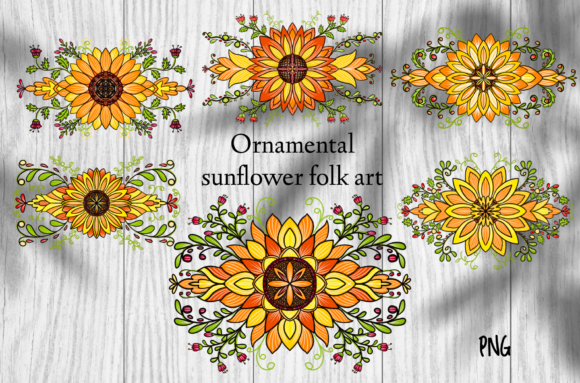
The Quiet Power of Ornamental Sunflower Folk Art in Modern Spaces
A hand-painted wooden chest in a Romanian village. A Ukrainian embroidery hoop bursting with bold, stylized petals. A Mexican lacquerware tray where the sunflower becomes something cosmic, its center a swirling star. These objects share more than a floral motif. They belong to a living tradition that designers, marketers, and everyday enthusiasts are rediscovering with fresh eyes. Ornamental sunflower folk art is not simply decoration. It is a visual language of optimism, resilience, and place — and its quiet revival is reshaping how we think about authenticity in a frantic, digital world.
What Exactly Is Ornamental Sunflower Folk Art?
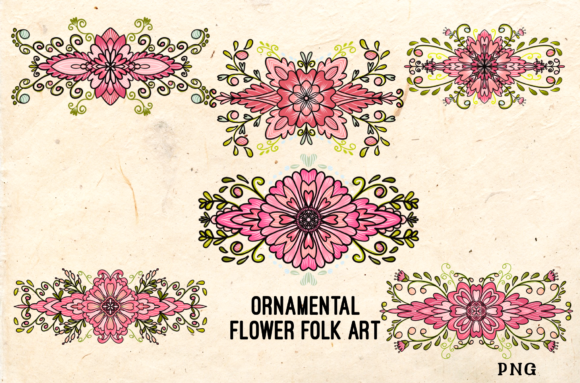
This aesthetic appears across Eastern European painted furniture, Scandinavian rosemaling, South Asian rangoli, Mexican Talavera tiles, and Pennsylvania Dutch hex signs. In each, the sunflower acts as a shorthand for the sun, harvest, fertility, protection, or welcome. It is decorative, yes, but never trivial. For centuries, farm families and artisans embedded these blossoms on dowry chests, religious icons, and household walls because they believed the image carried goodness. Today, that belief hasn’t disappeared — it has simply found new surfaces.
Why People Are Paying Attention Again
Something quietly shifted in the last five years. After cycles of minimalism and sterile design, interior decorators, indie product makers, and even tech company swag started embracing hand-hewn warmth. The sunflower, with its instant readability and positive associations, became a bridge between the nostalgic and the contemporary. On platforms like Etsy and Pinterest, searches for “folk art sunflower print,” “vintage sunflower embroidery pattern,” and “hand-painted sunflower tray” have climbed steadily. But the appeal goes beyond algorithm-friendly keywords.
From Rural Craft to Contemporary Creative Workflow
Technology could have flattened folk art into generic clip art. Instead, digital tools have become preservation partners. Independent illustrators scan antique embroidery samplers and refine them into layered Illustrator files, selling them as downloadable wall art. Surface pattern designers create seamless sunflower block prints inspired by Hungarian matyó motifs for home textiles sold on Society6. A food blogger in Ohio might commission a local artist to render a ring of ornamental sunflower folk art around her newsletter header, nodding to the farm-to-table ethos without saying a word. In each case, the hand-drawn imperfection is kept intact on purpose — precisely because irregular brushstrokes and carved wood imperfections feel rare in an overly polished feed.
The Symbolism That Sells Without Shouting
Marketers and brand strategists reading this already understand the power of unconscious association. The sunflower, especially in its ornamental folk rendering, bundles several desirable brand values at once: optimism, reliability, growth, and approachability. A financial advisor’s client gift — a small hand-carved sunflower stamp on the thank-you card — subtly reinforces the promise of nurturing prosperity. A mental health practice that decorates its waiting room with framed folk art prints of sunflowers creates an environment that suggests calm stability, not clinical coldness. The motif works because it’s deeply embedded in collective memory; our grandparents’ generation trusted it, and now a younger generation is learning to trust it again.
Practical Applications Across Everyday Life
- Home styling: A single accent wall painted with a stenciled sunflower border in a mudroom brings unexpected joy during morning departures. Unlike trendy wallpaper, the folk pattern doesn’t date quickly because its appeal is rooted in cultural permanence, not passing fashion.
- DIY and maker community: Linocut block carving is enjoying a renaissance. A beginner can carve a simplified sunflower rosette based on traditional Ukrainian or Mexican designs and print it onto fabric to create tea towels, cushion covers, or even custom gift wrap. The process itself is meditative.
- Digital product creators: Educators who sell online courses, from art therapy to creative writing, use sunflower folk illustrations as module badges. The visuals signal growth and nourishment without requiring elaborate explanation.
- Event branding: Wedding planners and sustainability consultants are replacing generic floral clipart with ornamental sunflower motifs on invitations, place cards, and seed packet favors — linking the event to ideas of planting, longevity, and rooted love.
Evolution Through Cross-Cultural Dialogue
Educators and content creators can seize this evolution as a rich teaching moment. An article or video comparing how ornamental sunflowers appear in Mexican Oaxacan wood carvings versus Slovak kraslice (hand-decorated Easter eggs) can open a nuanced conversation about geography, agricultural symbolism, and color theory. It moves the sunflower away from cliché and toward genuine inquiry — exactly the kind of content that thoughtful audiences value and share.
Tools, Mediums, and the Human Hand
Something paradoxical is occurring: the more advanced our digital tools become, the more we prize the visible evidence of the human hand. Ornamental sunflower folk art thrives in this tension. A watercolor sunflower border painted for a nursery wall will never be perfectly symmetrical, and that’s the point. The slight wobble of a brush, the grain of the wood panel showing through — these imperfections communicate presence. That’s why even digital versioning of these motifs often includes texture overlays mimicking paper, linen, or chipped paint.
Navigating a Saturated Visual Market
The ease of digital reproduction comes with a challenge. Generic “sunflower clip art” can make the folk ornament feel cheap. The antidote is depth. Rather than picking the first vector set online, a graphic designer might invest a few hours studying the specific proportions of sunflowers in Hungarian Kalocsa patterns — noticing how the central disk is often rendered as a dark circle with radiating dotted lines, and how the petals alternate in size. Translating that particular rhythm into a company’s secondary logo mark creates a design that feels intentional, not generic. It’s the difference between a sunflower that merely looks pretty and one that carries memory.
Where This Quiet Movement Is Headed